

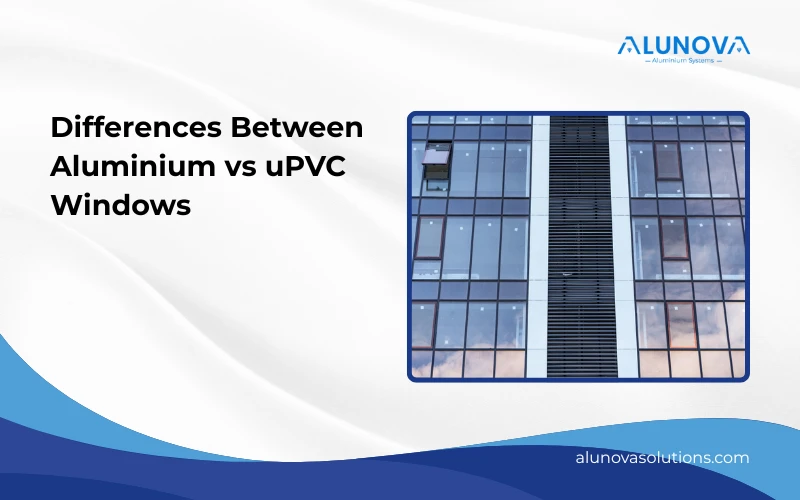
We all know that windows play an important role in both homes and commercial buildings, which allows the movement of natural light and fresh air indoors. In India, aluminium is widely used in commercial spaces, whereas for residences, there are more choices such as wood, steel, uPVC, and aluminium.
But these preferences have changed a lot over time, due to cost, durability, and maintenance needs. Wooden windows were a popular option for homes. But as these windows are expensive and require skilled labour for installation and maintenance, they are losing their popularity. Steel windows gained attention due to their low initial cost, but issues like rust and regular maintenance have reduced their demand.
Due to these reasons, the comparison between aluminium vs uPVC windows has become more relevant for modern homes, as both materials offer practical and long-lasting solutions. Read further to understand the difference between aluminium vs uPVC windows and choose the right option for your needs.
Window Material Options for Today’s Homes
Today, the two most commonly chosen options for residential buildings include aluminium and uPVC windows. Each material has its own features, which make it suitable for different requirements and design preferences.
Aluminium Windows
Aluminium windows have been used in India for many years, especially in high-rise and commercial buildings. They have strong structure, slim frames, and a clean, modern appearance. Aluminium performs well in different weather conditions, and can be considered a reliable option across various regions of the country.
uPVC Windows
uPVC windows are gaining popularity in residential spaces, due to their insulation properties, which help maintain indoor temperature. In colder regions, uPVC windows are often paired with double or triple glass to improve thermal performance and reduce energy loss.
Choosing Between Aluminium vs uPVC Windows
There are many factors that need to be considered when comparing uPVC windows vs aluminium windows, such as climate, energy efficiency, maintenance, and long-term use. Aluminium windows are durable and create a contemporary look. On the other hand, uPVC windows focus more on insulation and energy savings.
By understanding the difference between aluminium and uPVC windows, it becomes easy to choose the right option for both homes and commercial buildings. Both aluminium and uPVC windows have their own advantages, and the best choice depends on your building’s needs, weather conditions, and personal preferences.
Quick Comparison of Aluminium vs uPVC Windows
Here is a quick comparison of aluminium vs uPVC windows.
|
Feature |
uPVC windows |
Aluminium windows |
|
Strength Against Strong Winds |
The internal steel core provides strength, but thicker frames limit the entry of light. Welded corners are weaker for large windows and high-rise buildings. |
It can be designed to handle different wind pressures. Stronger aluminium sections suit tall buildings and coastal areas. Mechanically joined corners improve strength and handling. |
|
Cost and Long-Term Value |
Lower initial cost, but high-quality versions are expensive. May need replacement sooner. |
Slightly higher initial cost, but lasts longer and offers better value over time. |
|
Colour Options |
Mostly available in white. Wood finishes cost extra, and colour choices are limited. |
Available in many colours and finishes. Easy to match both interior and exterior design themes. |
|
Noise Reduction and Sound Control |
Brush-type seals may loosen over time and reduce sound blocking. Laminated or double glass works well for noise reduction. |
Tight rubber gaskets seal the gaps better and help reduce outside noise. Supports laminated and double glass for strong sound insulation. |
|
Durability, Ease of Operation |
Sun exposure can cause fading, yellowing, or weakening. Feels heavier and less smooth due to the bulkier frames. Uses standard locking systems with limited options for add-ons. |
Highly durable with special coatings. Resistant to rust, weather, and sunlight. Smooth operation due to stronger hardware and larger rollers. Metal-to-metal locks offer better security. Easy to add child locks and soft closers. |
|
Popularity |
Less common, mainly used in residential projects. |
Widely used in premium homes and commercial buildings. |
|
Maintenance |
White frames show dirt easily and need frequent cleaning. |
Easy to clean, no repainting needed, and hardware stays rust-free. |
|
Weather Performance |
Suits better for very cold climates. Large frames may bend over time. |
Performs well in tropical, coastal, and high-wind conditions like India. |
|
Design Flexibility |
Limited sizes and styles. Best for small windows. |
Slim frames allow larger glass areas and modern designs. Preferred by architects. |
Top Differences Between Aluminium vs uPVC Windows
Modern aluminium windows are often referred to as system windows. These windows are designed and tested to handle tough weather conditions and meet safety standards. Given below are some of the key differences between system aluminium windows and uPVC windows.
Strength to Withstand Strong Winds
When considering the resistance to winds, the structure of uPVC windows and aluminium windows offers a clear difference. The steel section placed inside the uPVC window frame provides strength to the windows. Even though the thicker steel core makes the window stronger, it also makes the frame bulkier and limits the amount of natural light entering the room. As the corners of uPVC windows are joined by welding, it can reduce the strength in larger window sizes and make them less suitable for high-rise buildings.
On the other hand, aluminium windows can be designed to handle different wind pressure levels based on the building’s height and location, such as coastal areas. By using thicker aluminium sections, their ability to resist strong winds can be improved. The aluminium frames are mechanically assembled, so they are easier to transport and install, especially in tall buildings, compared to welded uPVC windows that are difficult to move through staircases.
Cost and Long-Term Value
While considering the price, uPVC windows may appear to be a cheaper option at first. However, over time, aluminium windows tend to offer better value due to their longer life and lower maintenance needs. High-quality uPVC windows that resist fading usually cost more, which reduces the initial price advantage.
As aluminium windows are available in a wide range of designs and strength levels, you can easily choose them according to your budget and requirements. Even though larger or premium aluminium windows may cost more because of thicker sections, they usually last longer and perform better over the years. So, while considering durability and long-term use, aluminium windows are a more budget-friendly choice.
Colour Options
uPVC windows are mostly available in white shade, with wood-like finishes available at an additional cost. The limitations in colour flexibility become a disadvantage for homeowners, especially when they want their window colour to match specific design themes.
Aluminium windows are available in a wide range of colours and finishes. So you can easily match both exterior building designs and interior elements such as curtains, flooring, or furniture. Aluminium frames are also given special surface finishes which offer a smooth, premium look that stands out compared to standard coating methods.
Noise Reduction and Sound Insulation
Noise control depends more on sealing quality and the type of glass rather than the frame material alone. Rubber gaskets are used by aluminium windows to seal gaps tightly, which helps to limit the entry of outside sound. uPVC windows use brush-like seals that may lose their firmness over time, and reduce their ability to block noise.
The kind of glass used also plays a major role in sound reduction. Noise can be blocked more effectively by laminated glass than regular double-glazed glass. For the best results, laminated double glass with different thickness levels offers strong sound insulation, and this option is available for both aluminium and uPVC window systems.
Durability and Ease of Operation
Durability is an important factor when comparing uPVC vs aluminium windows. In the case of uPVC windows, long-term exposure to sunlight may cause the material to fade, turn yellow, or become weak over time. This problem can increase if lower-quality materials are used, which is less noticeable at the time of purchase.
Aluminium windows are known for their long-lasting strength. They undergo special surface treatments to help protect them from rust and weather damage, which makes them ideal for coastal regions. In India, where we experience hot and tropical climates, aluminium performs well because sunlight has very little effect on it.
Considering everyday use, aluminium windows are smoother to operate due to stronger hardware and larger rollers. The metal-to-metal fixing of locks also adds more security. Moreover, extra features such as soft door closers or child safety locks can be easily fitted into aluminium windows, which makes it a practical and reliable window option.
Popularity
Aluminium windows are a widely used window type in India, especially for commercial and premium residential projects. uPVC windows are not quite popular but are steadily gaining attention in home construction.
One of the key differences between uPVC and aluminium windows lies in the material itself. Aluminium is a metal, and it is considered a more premium option, while uPVC is made from a plastic-based material. Aluminium windows are commonly chosen for high-end buildings because they are available in a wide range of colours and finishes. On the other hand, uPVC windows are usually seen in white or light shades, which makes aluminium windows more noticeable in modern and luxury spaces.
Maintenance and Care
Aluminium windows are easier to care for compared to uPVC windows. Dust, stains and colour changes are more visible in light-shade uPVC frames like white, which makes regular cleaning necessary.
Aluminium windows are much simpler to maintain, particularly those with durable surface coatings. These finishes do not require repainting and stay in good condition for years. Also, the hardware used in aluminium windows is resistant to rust, which reduces the need for repairs and keeps maintenance effort to a minimum.
Performance in Different Weather Conditions
The ability of uPVC and aluminum windows to handle the weather is different. uPVC windows tend to perform better in very cold regions because the material helps to limit the cold air from entering indoor spaces. However, in warmer areas, the difference between uPVC and aluminium windows is less noticeable, as the type of glass used plays an important role in blocking heat and sunlight.
Large uPVC windows may bend slightly at the corners over time, which can in turn affect their ability to withstand wind and rain. In India, where we experience tropical conditions including heavy rains, strong winds, and coastal environments, aluminium windows are the best. Well-designed aluminium window systems use advanced seals that can help block water, dust, and pollution. They also offer better sound control, preventing issues such as wind noise in tall buildings.
Design Flexibility and Style Options
Aluminium windows offer flexibility in design choices, and this is what makes them a preferred choice among architects. The slim frames of these windows allow for larger glass areas and offer a wide range of styles, which makes it an excellent option for both simple homes and premium projects. As aluminium windows can be easily adapted to different climate conditions, they are a versatile window type.
On the other hand, uPVC windows have limited design options due to size constraints and challenges in fitting hardware for larger openings. They are more suitable for smaller window sizes, such as seen in European homes, where the main focus is ventilation and light. As modern Indian homes prefer bigger windows, higher ceilings, and stronger indoor-outdoor connections, aluminium windows are better suited to meet these design trends.
The Bottom Line
There is an increased demand for aluminium windows because of their strong performance in different weather conditions. When comparing aluminium vs UPVC windows, architects and homeowners often lean towards aluminium for its smooth finish, added safety, simple operation, and low maintenance needs. The flexibility in design and slim frames of aluminium windows also add a modern and stylish look to buildings. As a result, aluminium windows are increasingly chosen over UPVC windows, especially in premium and contemporary construction projects.
Alunova offers high-quality aluminium windows designed for Indian homes and weather conditions, with a wide range of styles and custom options. Request a quote today to plan your aluminium windows with expert guidance.
Frequently Asked Questions on Aluminium vs uPVC Windows
Are uPVC windows cheaper than aluminum?
Yes, uPVC windows are generally 20–40% cheaper than aluminium windows for similar sizes at the time of purchase. However, aluminium windows offer better long-term value due to higher durability, slimmer frames, and a longer lifespan.
Which windows are best for Indian weather conditions?
uPVC windows with double glazing perform well against heat and rain, while aluminium windows are ideal for coastal and humid regions due to their strength and rust resistance. Glass type, such as tinted or toughened glass, further improves performance.
Which windows require less maintenance: aluminium or uPVC?
Both aluminium and uPVC windows are low maintenance. uPVC windows are easier for daily cleaning as they do not rust, while aluminium windows are stronger and last longer. Maintenance needs depend on finish quality and local weather conditions.
Are aluminium windows more secure than uPVC windows?
Yes, aluminium windows are highly secure due to their sturdy frames and multi-point locking systems. High-quality uPVC windows with steel reinforcement also provide good security. Overall protection depends on hardware quality and proper installation.
What is the lifespan of uPVC windows?
uPVC windows typically last 20–30 years. High-quality, well-installed uPVC windows can last 30–40 years, while lower-quality windows may need replacement in 10–15 years depending on weather exposure and maintenance.